Assisted Living Activities: A Guide for Cleveland-Area Families
For families in Greater Cleveland comparing senior living options, the quality of daily activities is as important as the quality of care. A vibrant activities calendar shows a community is committed to a resident's well-being, moving beyond just bingo to offer programs that foster purpose, connection, and joy.
-
TL;DR: Key Takeaways
-
A good activities program is a sign of high-quality, person-centered care.
-
Look for a balance of physical, social, creative, and intellectual activities.
-
Ask how programs are adapted for residents with different needs, like memory loss or limited mobility.
-
During a tour, observe an activity in person to see the level of engagement and staff enthusiasm.
-
Prioritize communities that partner with local Cleveland-area organizations, schools, and cultural institutions.
Who This Helps
This guide is for families in Northeast Ohio (Cuyahoga, Lake, Lorain, Geauga, Medina, and Summit counties) who are evaluating Assisted Living (Residential Care Facility) options. It provides a clear framework for assessing a community’s activity programming to ensure it meets a loved one’s needs for engagement and well-being.
What This Means for You
Choosing a community with the right activities can directly impact your loved one's physical health, cognitive function, and happiness. This guide gives you the tools to look past the marketing materials and identify a facility that truly enriches residents' lives.
1. Intergenerational Programs
Intergenerational programs are structured activities designed to connect seniors with younger generations. These recurring, purpose-driven interactions foster mentorship, reduce resident isolation, and help build genuine relationships through shared experiences like reading, tech tutoring, or collaborative projects.
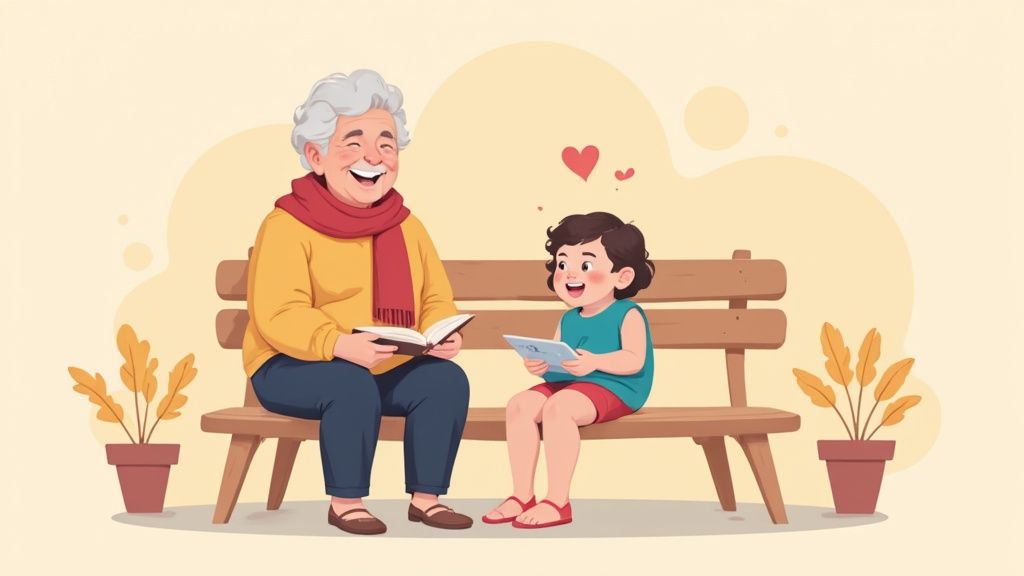
These programs provide residents with a renewed sense of purpose. For seniors, especially those with limited family contact, connecting with children and young adults can significantly improve mood and life satisfaction.
How It Works: Local Examples
Successful programs require clear structure and consistent scheduling.
-
School Partnerships: A facility in Cuyahoga County could partner with a local elementary school. Residents might volunteer weekly to read with first-graders who need extra literacy support.
-
University Service-Learning: A partnership with a university like Case Western Reserve University or Cleveland State could involve students from nursing or social work programs leading tech workshops for residents.
-
Youth Group Visits: Local scout troops or church youth groups from communities like Lakewood or Shaker Heights can visit to work on community service projects or lead craft sessions.
What this means for you: When touring a facility, ask if they have established partnerships with local schools or youth organizations. A long-standing program indicates a strong community connection and commitment to residents' social well-being.
Dementia-Friendly Variations
For residents with dementia, these interactions must be carefully managed. Simplify activities to focus on sensory engagement, such as singing familiar songs with children, working on a simple supervised gardening project, or looking at picture books together. Ensure youth volunteers receive basic training on how to communicate effectively and avoid overstimulation.
2. Therapeutic Horticulture, Gardening and Culinary Programs
Therapeutic horticulture and culinary programs connect residents to the entire food cycle, from planting to harvesting and cooking. These activities combine the physical benefits of gardening with the sensory and social rewards of preparing food. This "seed-to-table" approach provides gentle exercise and gives residents a powerful sense of accomplishment.

Engaging in these programs can reduce stress, improve motor skills, and foster community bonds. For many, it also reconnects them with beloved pastimes centered around food and gardening.
How It Works: Local Examples
A successful program integrates gardening spaces with accessible kitchen facilities.
-
Farm-to-Table Dining: A facility in Chagrin Falls could install raised garden beds where residents grow herbs and vegetables. The culinary team then incorporates the harvest into a special weekly "garden-fresh" menu item.
-
Container Gardening Clubs: In a community with limited outdoor space, like one in downtown Cleveland, a club could manage indoor container gardens. Facilities can focus on cultivating the best vegetables to grow indoors for year-round engagement.
-
Partnerships with Local Experts: An assisted living community in Mentor could invite a master gardener from the Cleveland Botanical Garden or a chef from a local restaurant for a special workshop.
What this means for you: When visiting, look for evidence of a gardening program, like raised beds or an on-site herb garden. Ask how harvests are used and how often residents participate.
Dementia-Friendly Variations
For residents with memory impairment, simplify tasks to focus on sensory and tactile experiences. Use large-handled, lightweight tools. Activities can include watering plants, mixing soil by hand, tearing lettuce for a salad, or smelling fresh herbs like mint and basil. The goal is a positive activity that engages the senses without requiring complex steps.
3. Music and Performing Arts Programs
Music and performing arts programs are powerful activities that stimulate memory, improve mood, and provide a channel for creative expression. These sessions involve live performances, group sing-alongs, and personalized playlists that can unlock deeply held memories, especially for residents with cognitive decline.
Music can reduce agitation, decrease anxiety, and encourage social interaction. For many seniors, hearing a familiar song from their youth provides comfort and a bridge to their past.
How It Works: Local Examples
Effective music programs are consistent, varied, and tailored to resident preferences.
-
Conservatory Partnerships: A facility in University Circle could partner with students from the Cleveland Institute of Music for weekly classical or jazz recitals.
-
Themed Music Nights: A community in Parma could host a polka party, tapping into the area's strong cultural roots and encouraging residents to share stories and dance.
-
Personalized Playlist Programs: Implementing a program like Music & Memory allows staff to create digital playlists of a resident's favorite music on personal devices. This is incredibly effective for relaxation and reminiscence.
What this means for you: When visiting a facility, ask about their music programming. Do they bring in live performers? Do they have a community choir? A robust music program shows an investment in residents' emotional well-being.
Dementia-Friendly Variations
For residents with dementia, music is a profound therapeutic tool. Focus on familiar songs from their young adult years. Instruments like maracas or tambourines allow for non-verbal participation. The goal is to create a calming and reassuring environment.
4. Technology and Digital Literacy Programs
Technology programs empower residents by teaching them how to use computers, tablets, and smartphones to communicate with family, access entertainment, and engage with online hobbies. The goal is to bridge the digital divide, reducing isolation and enhancing independence.
Learning to video call with grandchildren, read news online, or explore new interests gives residents powerful tools for connection and mental stimulation.
How It Works: Local Examples
Effective tech programs focus on patience, repetition, and connecting skills to personal interests.
-
Peer-to-Peer Tech Mentoring: A facility in Westlake could pair tech-savvy residents with beginners. This fosters social bonds and creates a supportive learning environment.
-
Partnerships with Local Libraries: The Cuyahoga County Public Library offers free tech training. A facility could arrange for a librarian to host on-site workshops on topics like email basics or using Libby for e-books.
-
Structured Curriculum: Some communities use programs from organizations like AARP's Senior Planet to teach everything from basic computer skills to playing engaging senior online games. You can learn more about senior online games and their benefits.
What this means for you: When visiting, ask about their approach to technology. Do they offer dedicated classes or one-on-one support? Robust tech support shows a commitment to keeping residents connected.
Dementia-Friendly Variations
For residents with cognitive decline, the focus shifts to joyful engagement. Use tablets with large icons and pre-loaded applications like music playlists, digital family photo albums, or simple games (e.g., virtual solitaire). The goal is to use technology as a tool for sensory stimulation and reminiscence.
5. Wellness and Fitness Programs
Wellness and fitness programs are structured physical activities designed to enhance residents' mobility, balance, and strength. Programs range from gentle chair yoga and walking groups to water aerobics and tai chi, all adapted for older adults. The primary goal is to maintain physical function and prevent falls.
Regular, guided physical activity can reduce the risk of chronic conditions, improve mood, and provide a structured setting for building friendships.
How It Works: Local Examples
Effective fitness programs require certified instructors and a variety of options.
-
Partnerships with National Programs: A facility in Parma might offer the SilverSneakers program, which is often included in Medicare Advantage plans.
-
Evidence-Based Classes: A community in Strongsville could implement the CDC's "Tai Chi: Moving for Better Balance" program to specifically target fall prevention.
-
Local Health System Collaborations: An assisted living community could partner with the Cleveland Clinic or University Hospitals to bring in physical therapists for workshops on arthritis management or heart-healthy exercises.
What this means for you: When exploring communities, inquire about their specific fitness offerings and the qualifications of their instructors. Ask to see a weekly activity calendar and learn more about questions to ask assisted living facilities on guideforseniors.com.
Dementia-Friendly Variations
For residents with dementia, fitness must be simplified and focused on enjoyment. Chair-based exercises are ideal, using gentle, repetitive motions like stretching to music. Activities like balloon toss or rhythmic dancing can improve motor skills in a fun, pressure-free way. Instructors should use clear, simple instructions and physical demonstrations.
6. Arts and Crafts Creative Programs
Arts and crafts programs promote self-expression, cognitive engagement, and fine motor skills. These sessions offer residents opportunities to work with diverse materials like clay, paint, and textiles. The goal is to provide a fulfilling outlet for creativity while fostering a sense of accomplishment.
Engaging in tactile, creative projects can reduce stress and boost self-esteem. Completing a tangible item provides a visible achievement that can be proudly displayed or gifted.
How It Works: Local Examples
A successful arts program offers variety and celebrates residents' work.
-
Local Artist Workshops: A community in Strongsville could partner with artists from the BAYarts cultural center to lead a monthly watercolor or pottery workshop.
-
Collaborative Community Art: Residents at a facility in Mentor might work together on a large-scale mosaic or quilt to be permanently displayed in the main lobby.
-
Resident Art Shows: A facility could host a quarterly art reception, inviting families from Solon or Westlake to view and celebrate the residents' creations.
What this means for you: During a tour, look for evidence of a thriving arts program. Are residents' creations displayed in common areas? Ask to see the activities calendar for the frequency and variety of creative sessions offered.
Dementia-Friendly Variations
For residents with memory care needs, the focus shifts from the final product to the sensory process. Use safe, non-toxic materials. Projects should have fewer steps, such as finger painting, working with soft modeling clay, or sorting large, colorful beads. The goal is joyful, stress-free engagement.
7. Memory Care and Life Story Programs
Life story programs are personalized activities designed to honor a resident’s past and reinforce their sense of self. Instead of focusing on memory loss, these programs celebrate the memories that remain, using personal history as a tool for connection and validation.
This therapeutic approach provides comfort and dignity by acknowledging a person's life experiences. It shifts the focus of care from managing symptoms to connecting with the individual. Incorporating engaging art activities for seniors with dementia alongside storytelling can also provide powerful, non-verbal outlets for expression.
How It Works: Local Examples
Effective life story programs require dedicated time, trained staff, and collaboration with families.
-
Memory Boxes: A memory care community in Parma could work with families to create personalized "memory boxes" filled with tactile objects from a resident's past, such as a wedding photo, a favorite tool, or a seashell from a family vacation.
-
Oral History Projects: A facility could partner with a local organization like the Western Reserve Historical Society. Volunteers could be trained to conduct gentle interviews with residents, recording their stories about growing up in Cleveland.
-
Legacy Libraries: A facility can create a "Legacy Library" where bound books containing residents' life stories, photos, and quotes are available for others to read.
What this means for you: When exploring specialized care, ask about the specific methods used to capture and utilize resident life stories. A robust program is a key indicator of a truly person-centered approach. You can find more information about what to look for in memory care in Cleveland, Ohio.
Dementia-Friendly Variations
This activity is inherently dementia-friendly. In later stages of dementia, focus on sensory and emotional connection. Instead of asking direct questions, use prompts like old photographs or familiar music to evoke feelings and start conversations. Staff should use validation techniques, accepting the resident's reality without correction.
8. Spiritual and Religious Programming
Spiritual programming supports the diverse faith traditions of residents. These programs go beyond a weekly church service, aiming to foster a sense of meaning and inner peace. They can include multi-denominational services, meditation groups, Bible studies, and celebrations of various religious holidays.
For many seniors, faith is a cornerstone of their identity. Access to these programs provides continuity with past practices and helps residents cope with life changes.
How It Works: Local Examples
Effective spiritual care requires an inclusive approach and strong community partnerships.
-
Interfaith Chaplaincy: A facility in a diverse community like Cleveland Heights could contract with a local interfaith council to provide access to clergy from various traditions.
-
Parish Nursing Programs: A partnership with a local church in suburbs like Parma or Euclid can bring a parish nurse to the facility for holistic care that integrates health and spiritual well-being.
-
Mindfulness and Meditation: To support non-religious residents, a community might offer guided meditation or chair yoga sessions led by a certified instructor from a wellness center in Lakewood or Rocky River.
What this means for you: In Ohio, state-licensed Residential Care Facilities are encouraged to accommodate residents’ spiritual needs. When touring, ask how they assess spiritual preferences and what specific multi-denominational resources are available.
Dementia-Friendly Variations
For residents with dementia, spiritual engagement should focus on sensory and emotional connection. Use familiar hymns, short scripture readings, or simple, repetitive prayers. Tactile elements like holding a rosary can be calming. The goal is to evoke feelings of peace and comfort in a gentle, failure-free setting.
9. Pet Therapy and Animal Interaction Programs
Pet therapy utilizes trained animals to provide companionship, comfort, and sensory stimulation. These structured interactions leverage the powerful human-animal bond to reduce stress, anxiety, and loneliness.

The unconditional affection from an animal can be profoundly therapeutic, especially for individuals who had to leave beloved pets behind. These programs bring joy and often spark conversation among residents.
How It Works: Local Examples
A successful program relies on reliable partnerships and strict safety protocols.
-
Certified Therapy Dog Visits: A facility in Medina could partner with a local chapter of an organization like Therapy Dogs International for scheduled weekly visits.
-
Partnerships with Animal Shelters: A collaboration with the Cleveland Animal Protective League or Geauga Humane Society's Rescue Village could bring gentle, well-socialized animals to a facility for "cuddle sessions."
-
Resident Pets: Some communities may have a resident cat or dog that lives on-site. This requires significant staff commitment for the animal's care.
What this means for you: When visiting a facility, inquire about their pet therapy schedule and partners. Ask about safety procedures, such as how they screen for allergies or phobias and what hygiene protocols are in place.
Dementia-Friendly Variations
For residents with dementia, animal interactions should be calm and closely supervised. One-on-one sessions in a quiet space are often more effective. Use gentle, predictable animals. Robotic pets, like the PARO therapeutic seal, are an excellent alternative, providing comfort and engagement without the risks of a live animal.
10. Educational and Lifelong Learning Programs
Lifelong learning programs are designed to foster intellectual curiosity and cognitive engagement. These initiatives offer residents opportunities for academic learning, skill development, and meaningful discussion through lectures, book clubs, and expert-led workshops.
These programs support cognitive health, helping to maintain memory and critical thinking skills. For residents who were professionals or avid learners, continuing their education provides a profound sense of purpose and identity.
How It Works: Local Examples
A successful program requires a curriculum tailored to resident interests.
-
University Partnerships: A facility in University Circle could partner with Case Western Reserve University’s Siegal Lifelong Learning program, bringing professors to give lectures on history or art.
-
Community Expert Series: A community in Westlake or Beachwood could invite local experts to speak. A Cleveland Clinic physician could discuss healthy aging, or a historian from the Western Reserve Historical Society could share local history.
-
Structured Discussion Groups: Using resources from the Great Books Foundation, an activity director can lead a recurring book club to provide a framework for deep, intellectual conversation.
What this means for you: When evaluating a community, ask about their educational offerings. Do they survey residents for topic interests? Do they have partnerships with local colleges or museums? A robust program shows a commitment to more than just basic care.
Dementia-Friendly Variations
For residents with dementia, the focus shifts to intellectual and sensory stimulation. Simplify topics to be highly visual and familiar. Instead of a history lecture, show a documentary with iconic footage from the 1940s. A "lecture" might become a multi-sensory presentation about "birds of Ohio," featuring pictures, sounds, and textures.
What to Do Next
Choosing an assisted living community is about finding a home where your loved one can continue to live a vibrant, fulfilling life. A well-designed activities program is the heartbeat of a community and a direct reflection of its commitment to holistic well-being.
Your Checklist for Evaluating Activity Programs
As you tour assisted living communities across Greater Cleveland, use this checklist to look beyond the surface.
-
Request Calendars: Ask for the last three months of activity calendars. Look for variety, consistency, and events at different times of day, including evenings and weekends.
-
Meet the Director: Schedule a brief meeting with the Activities Director. Ask about their philosophy on resident engagement and how they incorporate feedback.
-
Observe an Activity: Ask if you and your loved one can observe an activity during your tour. Notice the level of resident participation and staff enthusiasm.
-
Ask About Adaptations: For a loved one with memory loss or physical limitations, specifics matter. Ask, "How do you adapt this art class for someone with dementia?" or "What seated fitness options are available?"
-
Assess the Space: Look for dedicated spaces like an art studio, a well-tended garden, or accessible computers. The community's investment in these spaces speaks volumes.
Example Scenario: A Cuyahoga County Family's Search
A family in Parma is looking for an assisted living facility for their mother, who has early-stage dementia and loves gardening. Using the checklist, they tour three facilities:
-
Facility A has a beautiful, but unused, garden courtyard. The activity calendar is mostly bingo and movie nights.
-
Facility B has raised garden beds cared for by residents. The Activities Director explains they have a "Garden Club" that meets twice a week and uses the produce in cooking classes. They observe the class and see residents actively engaged and staff providing gentle, one-on-one support.
-
Facility C has no garden but offers many other activities.
By focusing on activities that match their mother's passion, the family can confidently choose Facility B, knowing she will have opportunities for meaningful engagement.
Frequently Asked Questions (FAQ)
1. What is the difference between an activity and a therapeutic program?
An activity, like bingo, is primarily for entertainment and socialization. A therapeutic program, like a music therapy session for dementia care, is led by a trained professional with specific clinical goals, such as reducing agitation or improving communication.
2. How are activities funded in assisted living?
Activities are typically included in the base monthly rate. Some special outings or ticketed events (like a trip to Playhouse Square) may have an additional fee.
3. What if my loved one doesn't want to participate?
A good activity staff will not force participation. Instead, they will get to know the resident's interests and gently encourage them to try activities they might enjoy. They often start with one-on-one engagement to build trust and may suggest activities that align with past hobbies.
4. Can families participate in activities?
Yes, most communities welcome and encourage family participation in events, parties, and special programs. Check with the Activities Director for their specific policies. This is a great way to spend quality time together and see the community in action.
Disclaimer: This article is for informational purposes only and does not constitute legal, financial, or medical advice. Please consult with licensed professionals for guidance on your specific situation.
Need Help Finding Senior Living in Greater Cleveland?
Our Greater Cleveland local advisors compare pricing, schedule tours, and answer your questions — completely free.